Eric Lagally
Solving problems at the interface of people, process, and technology.
Technologies are tools built by and for people. That principle held true in my work as a bioengineer: the fastest, most sensitive genetic detectors we developed were never guaranteed acceptance in medical or biological research communities just because they worked well on paper. It also holds true in the context of decision intelligence and agentic AI: tools deliver value only to the extent that the people and processes around them can adapt to use them well.
I bring broad experience leading data-forward initiatives across sectors, with a consistent focus on equity. How do we expand access and opportunity for underserved groups while creating solutions that move every stakeholder forward together? The answers are rarely purely technical. They blend people, process, and technology, and threading through all of it is analysis. Quickly identifying whether a technical, procedural, or human approach best fits a given challenge is my core strength. These pages provide some examples of my skills in both the technical as well as the non-technical domains.
Examples of my Work
The BIG WIRES Act (H.R. 5551, S. 2827) is a bill that would increase the ease of permitting for large electricity transmissions projects in the U.S. This analysis explores the current state of electricity generation and transmission, specifically capacity, state and regional needs, the emissions from current electricity generation, and the prevalence of solar and wind electricity projects nationwide.

Species Distribution Models (SDM) are commonly used in ecology to predict the likelihood of species occurrence given known environmental conditions. In this study, I compare several machine learning approaches to develop an SDM for Northern pikeminnow (Ptychocheilus oregonensis), a freshwater predatory fish native to the Pacific Northwest.

The Washington State Department of Fish and Wildlife (WDFW) maintains a website that presents data on hunting and trapping statistics by year. However, this website presents data in tables and does not allow easy comparison among years or among individual game management units. Using the public data from the WDFW site, I assembled and maintain a Tableau Public dashboard that presents these data in a manner more easily amenable to asking and answering questions about game management statistics over time.

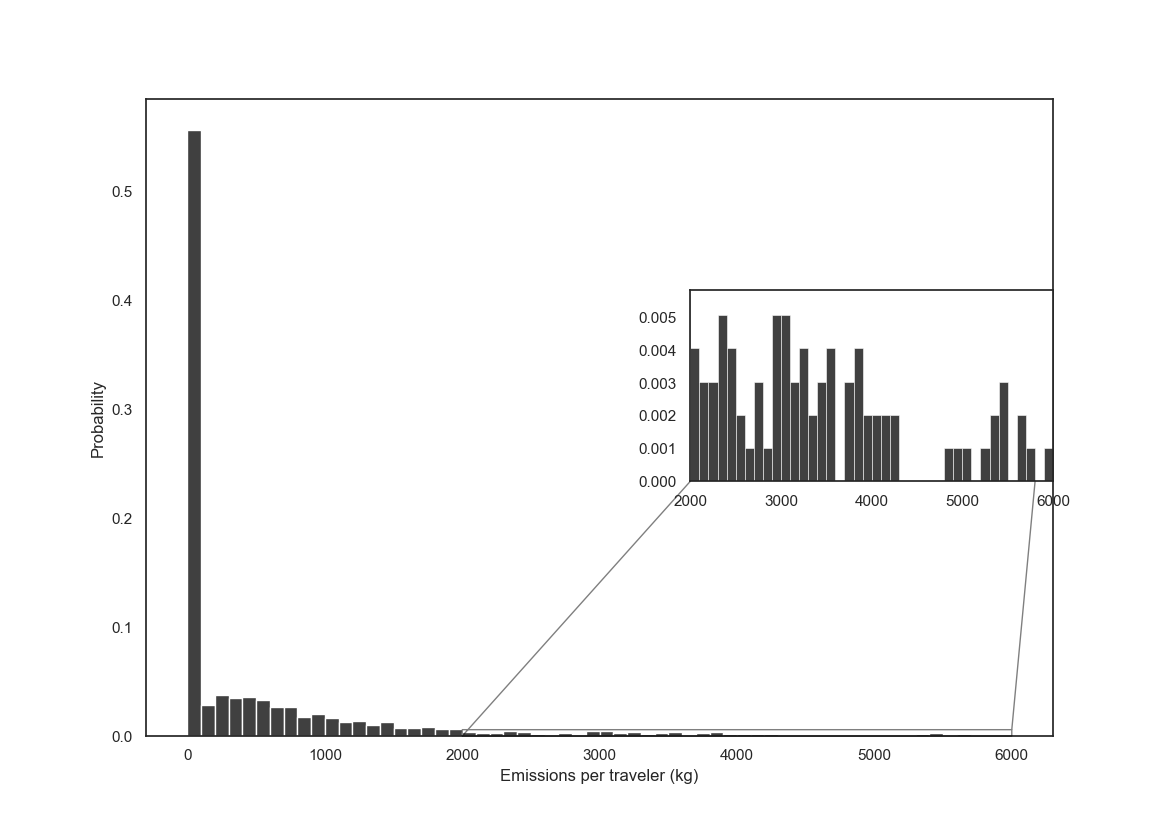
It is sometimes helpful for people to get a sense of their CO2-equivalent emissions by comparing their behavior to those of others around them. This Monte Carlo simulation generates distributions of carbon dioxide-equivalent emissions of air travelers over a period in late 2024 using data extracted from a variety of sources for the top 50 origin and destination airports in the United States. It is presented through descriptive figures but also incorporates a web app that allows individuals to enter their trip history and this returns where they fall within the distribution.
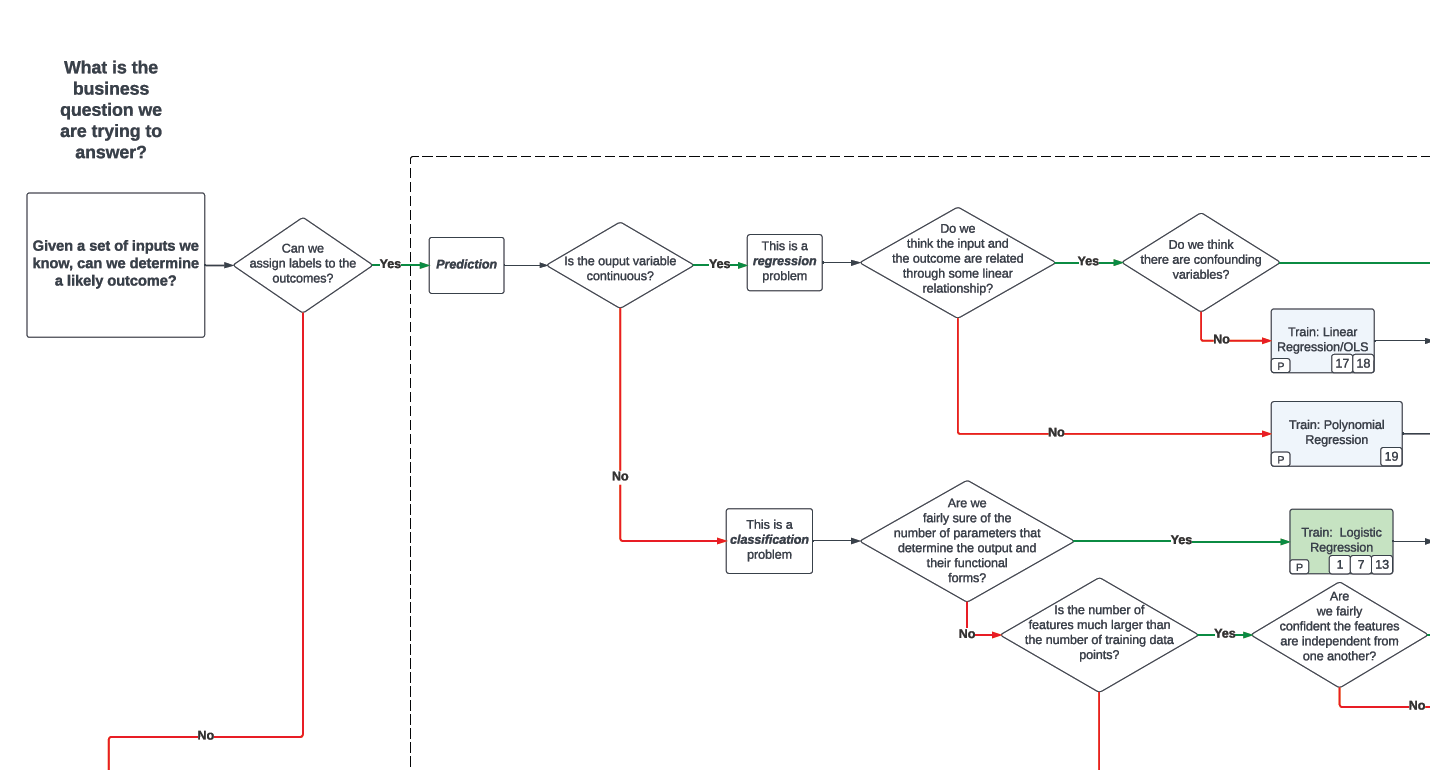
As the number and types of artificial intelligence (AI) applications and methods continue to grow, one of the most common questions I receive is: “What are you doing with AI in your higher ed programs?” This question lacks proper scope - one must first define what part of the broad spectrum of AI is of interest. To help guide both students and others in their AI learning, I assembled a mind map of machine learning methods, major decisions used to choose a particular approach, and common use cases. Although certainly not an exhaustive list, it has nevertheless been helpful in guiding conversations around strategic decision-making in curriculum and approach.